
5 ways to connect beach cleans with the well-being of water and of ourselves, this International Coastal Cleanup Day
Since 1986, upward of 19 million volunteers have collected more than 400 million pounds of trash through cleanups as part of International Coastal Cleanup Day. That translates to approximately 0.526lbs per volunteer, per year. This means that even removing less than one pound of debris from the ocean each year has a large impact when we come together en masse.
At Surfrider, we organize monthly cleanups as part of our mission, which is “the protection and enjoyment of the ocean, beaches, and waves, for all people, through a powerful activist network”. The items we collect become data that is categorized, tracked, and used to address plastic pollution such as ghost gear, cigarette pollution, polystyrene foam and other forms of plastics. Our data informs our campaigns that seek to generate upstream policy change at local, provincial and federal levels across Canada.
I attended my first beach cleanup with Surfrider Foundation Canada’s Atlantic Chapter, in the summer of 2025 and have since joined as a volunteer on the chapter’s executive team. Coastal stewardship deeply aligns with my values and interests, and I have long understood the importance of nurturing and being nurtured by the ocean. Growing up in a coastal community, it was a great privilege to have constant access to water for both recreation and restorative purposes, and I missed it immensely when my education and career paths took me to urban city centers in other provinces. Although I was drawn to Surfrider for their mission and purpose,I stayed for the sense of community and inspiration I found here. I wanted to literally “get my hands dirty” and feel the impact of tangible change; that and having any excuse to get out and spend extra time in “blue space” with others felt like a win-win for myself and the coastlines we clean, alike.
To honour ICCD, and given my motivation for getting involved with beach cleans, it feels fitting to highlight the relationship between the health of the oceans and human beings.
According to Blue Health Coach, Lizzi Larbalestier, when we deepen our relationship with water, it “...in turn, helps us value our amazing planet, each other and ourselves, creating a truly symbiotic approach to healing” (pg 181). In the interdisciplinary field of blue health, studies show that time engaged with blue spaces, urban, constructed or wild, can have significant, positive impacts on human well-being. This is also known as the “blue mind” effect.
In her 2021 book “Blue Spaces, How and Why Water Can Make You Feel Better”, Dr. Catherine Kelly applies the “5 ways to wellbeing model” by the New Economics Foundation, to our relationship with water. The 5 concepts used in the model are: “connect, be active, take notice, keep learning, and give”. This suggests that by connecting the 5 elements in a reciprocal way, we may increase the regeneration of blue spaces in addition to our own vitality, and she offers the example “bluespace looks after me, so I will look after it” (pg 24-25).
By expanding on the examples she provides, emboldened below, I demonstrate ways to deepen ocean-human connection and tie blue health benefits into the act of participating in a cleanup on International Coastal Cleanup day. Though, any day is a good day for a beach clean!
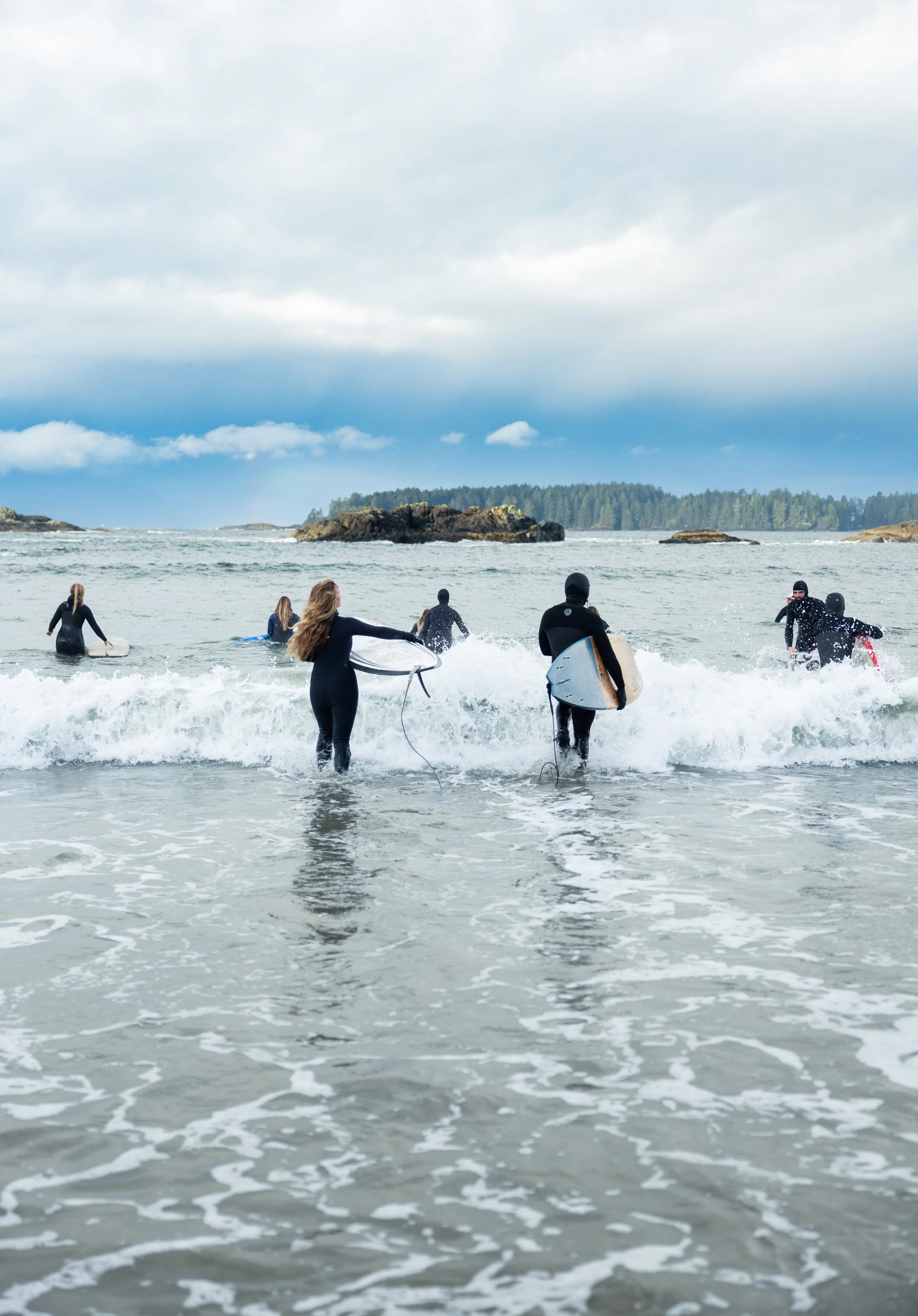
Image Credit: Arcade Motion
1) Connecting with others or with oneself by the ocean for psycho-social outcomes:
Time in nature helps increase feelings of “nature connectedness” which is linked to pro-environmental behaviour, and coastal cleanups provide an opportunity to collaborate with others who may share similar values and interests as us. The act of doing a “good deed” may increase positive emotions such as having a sense of purpose and belonging, and there is the added bonus of being outside and spending time in a coastal environment which is linked to a myriad of blue health benefits. These benefits include improvements in mood and cognition as well as reductions in stress, depression and anxiety. With “eco-anxiety “or “eco-distress” on the rise, fostering connection to nature and developing environmentally friendly attitudes and behaviors may help us shift from helplessness to responsibility and action, and mitigate the negative impacts of eco-anxiety.
2) Physical activity for water and land-based sports/activities:
Cleanups typically, though not always, involve walking coastal environments and collecting litter and marine debris within the area, providing exposure to uneven terrain, challenging stability and offering a varied, sensory rich and stimulating environment to navigate. Whether walking alone or with others, the benefits of exercise are well supported and participating in a cleanup may provide movement in a novel way. Research suggests that 2 hours per week in nature is linked to better health and well-being, with sessions of just 20 minutes at a time having the ability to lower cortisol. If we are already at the coast, why not make a day of it and bring friends and family, get out for a surf, swim or paddle too.
3) Noticing our own mood when we get to bluespace, and also noticing our surroundings while there: the color and movement of the water, the feel of it
Coined by the late Wallce “J” Nichols, blue mind is a scientifically backed, mildly meditative, calm and peaceful state of mind we enter when near, in, on or under water. Our moods can lift, our bodies can relax, and our attention can rest, allowing for an embodied experience of connection with ourselves and with our surroundings. In coastal settings, we move slower, expand our sensory experience, and see things differently from a heightened sense of awareness. Watching the waves is one thing, noticing the details, the light on the water, the temperature when we touch the water, the depth and variety of color, the pace of the waves, and how we feel when we notice these elements, is another.
4) Learning about the coast as a human and natural environment
By taking part in coastal cleanups, we have an opportunity to increase our understanding of the links between our actions and our environment, and learn about not only the threats the ocean is facing, but also the creatures, plants and patterns in our own areas. Place attachment, refers to the emotional and psychological bond we have between ourselves and particular locations, and is also associated with pro-environmental behaviour. Research on the connection between coastal recreation and stewardship explores links between variables such as satisfaction with local waterways and frequency of certain social activities such as picnics, with stewardship intentions. As Kelly puts it, “...if a place makes us feel good, we feel part of that place somehow, and that matters to us” (pg. 35, Kelly, C. 2021).
5) Giving time and expertise to help look after each other, or indeed, the aquatic environment itself through voluntary efforts.
Everyone who cares for the ocean has something to offer from their lived experience, skillsets and interests. Be it Indigenous ways of knowing and/or technical or domain specific knowledge, scientific or artistic skills, or simply, time, care and presence. We all add value to the global effort of caring for and protecting the ocean.
We belong to and depend on water and taking care of it is equal to taking care of ourselves. We do not need perfect activists doing it all to preserve the vital health of our water. Instead, we need collectives of people acting, no matter the size of the action, to create a difference. And to get started, we just need to head to the beach.
Learn more about Surfrider Foundation Atlantic Chapter and Surfrider Foundation Canada and how you can get involved as a volunteer, member or donor, and take action!