
Canada Can Build Better Than Another Pipeline.
As communities across Canada grapple with wildfires, floods, and extreme heat, last week's announcement of a proposed new pipeline from Alberta's tar sands to British Columbia's coast is not a bold vision for Canada's future. It is a return to one of our country's most expensive mistakes.
The proposal, announced by Prime Minister Mark Carney and Alberta Premier Danielle Smith, would follow a route similar to that of the existing Trans Mountain pipeline and transport more than 1 million barrels of oil per day to the West Coast. If approved, Canadians could once again be asked to assume much of the financial risk for a project whose primary beneficiaries would be oil companies.
We've been here before.
The Trans Mountain Expansion has already left Canadians with about $40 billion in costs, with little prospect of taxpayers ever recovering that investment. Instead of acknowledging that costly failure, governments are proposing to repeat it—asking Canadians to bankroll another pipeline while its true costs, risks, and liabilities remain hidden behind an undefined public-private partnership.
But the financial cost is only part of the story.
Five years ago, British Columbia experienced the devastating heat dome that claimed the lives of 619 people. Today, communities across Canada continue to face increasingly destructive wildfires, floods, droughts, and extreme heat. Thousands have already been displaced this year, and scientists continue to warn that these events will become more frequent and more severe as greenhouse gas emissions rise.
Canada is not alone. An unprecedented heat wave has swept across multiple European countries, claiming thousands of lives as temperatures shattered records. Human-caused climate change made that heat wave significantly hotter, more likely, and more deadly. Europe is now warming at roughly twice the global average, offering a stark reminder that continued fossil fuel expansion is accelerating warming.
Against that backdrop, announcing another major oil pipeline sends a troubling message about Canada's priorities.
During the 2025 election campaign, Mark Carney declared:
"Nature is part of our very identity as Canadians. In this time of crisis, we need bold new approaches to protect Canada's natural heritage and defend it for future generations."
Those words recognized the urgency of the climate crisis. Today's proposal moves Canada further away from that vision.
This proposal would lock Canada into decades of dependence on an outdated fossil fuel economy, tethering our prosperity to one of the world's most carbon-intensive sources of oil—the tar sands—precisely as the rest of the world accelerates toward cleaner energy. In the aftermath of the disruption to global oil shipments through the Strait of Hormuz, countries around the globe are investing heavily in renewable power, energy storage, electrification, and climate resilience to reduce their dependence on volatile fossil fuel markets. These are the industries that will define economic competitiveness over the coming decades. Canada should be leading that transition—not investing billions more in infrastructure designed to expand oil production.
The environmental consequences extend far beyond carbon emissions.
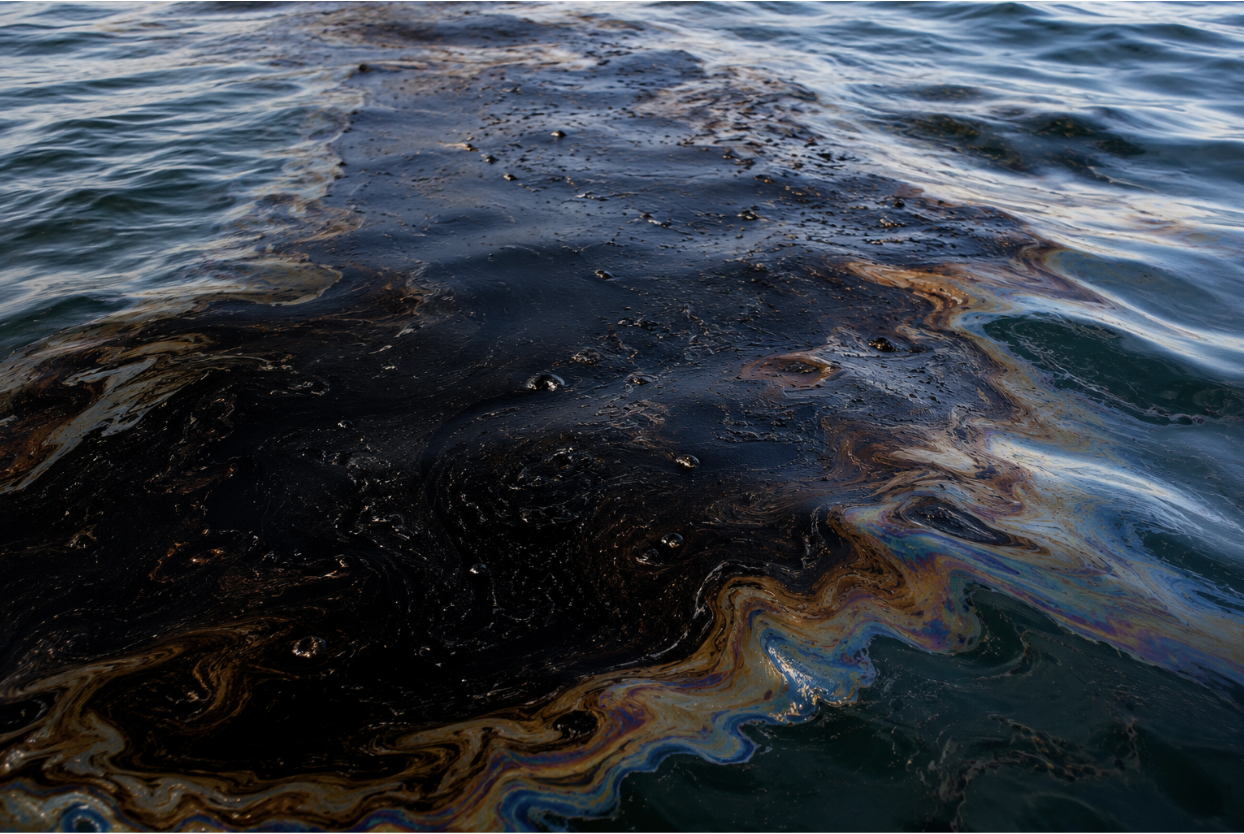
More pipeline capacity means more oil tankers navigating British Columbia's coast, placing additional pressure on fragile marine ecosystems and increasing risks to endangered wildlife, including the Southern Resident Orcas. At the same time, proposals to weaken environmental protections and fast-track major projects further erode the safeguards these ecosystems desperately need while sidestepping the federal government's constitutional duty to meaningfully consult and accommodate Indigenous Nations whose rights, title, and territories may be affected.
Our oceans are already under immense pressure from warming waters, pollution, biodiversity loss, and industrial development. They do not need another source of risk. Adding more tanker traffic, increasing the risk of spills, and expanding fossil fuel infrastructure along our coastlines moves us further away from the healthy oceans that Canadians depend on for biodiversity, recreation, culture, and livelihoods.
Perhaps most concerning is the narrative being used to justify this project.
Canadians are being told that another pipeline will create national unity, strengthen our economy, and protect us from future uncertainty, but another taxpayer-backed oil pipeline does none of those things.
There is nothing unifying about worsening the very crisis already disrupting communities from coast to coast to coast. Wildfires that force entire towns to evacuate threaten our security. Floods that destroy homes and infrastructure threaten our security. Extreme heat that claims hundreds of lives threatens our security.
Canada's future will not be secured by expanding fossil fuel infrastructure. It will be secured by protecting the communities, coastlines, and climate that make this country worth fighting for.
Climate change is not a future problem. Canadians are living through it today. Every new fossil fuel project makes that challenge harder to solve and delays the investments we need to build a safer, more resilient future.
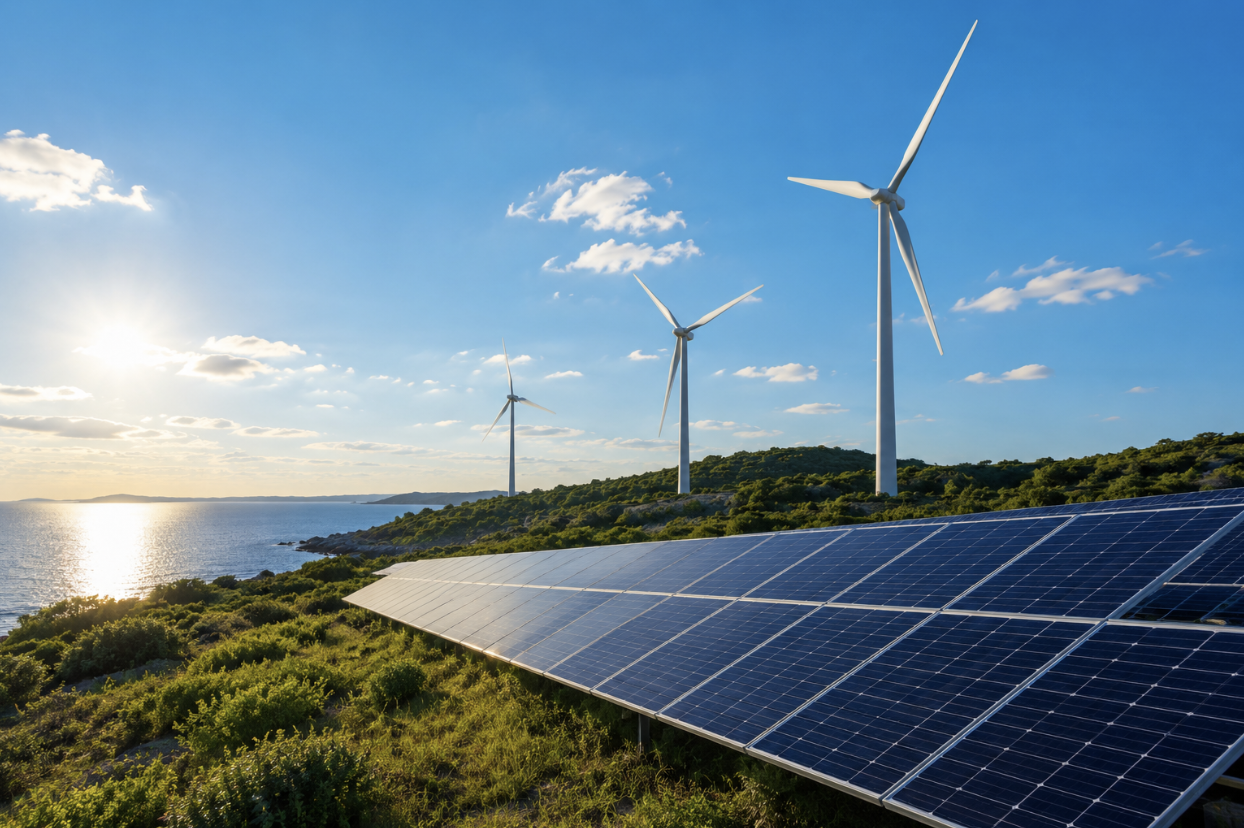
Canada has a better choice. We can invest in renewable energy, modern electricity grids, resilient transportation, affordable energy-efficient housing, healthy oceans, and Indigenous-led stewardship. Those are the investments that will build lasting prosperity while reducing pollution and protecting nature. They are the nation-building projects that will strengthen our economy, create good jobs, improve our quality of life, and leave future generations with a country that is more secure, more resilient, and more just.
But that future will not happen on its own. Throughout history, meaningful change has come because people organized, raised their voices, and demanded better from those in power.
That is why Surfrider exists. We work every day to protect our coasts and oceans, hold decision-makers accountable, and champion solutions that put people and the planet ahead of short-term profits.
The decisions being made today are not inevitable. They are political choices, and Canadians have the power to choose a different future.
If you believe Canada can build prosperity without sacrificing our coasts, climate, and communities, join Surfrider Foundation Canada. Become part of a growing movement to protect healthy oceans, advance climate solutions, and hold decision-makers accountable. Because the future isn't something we inherit. It's something we build—together.