
Plastic Pollution: a Sci-Fi Problem we can solve
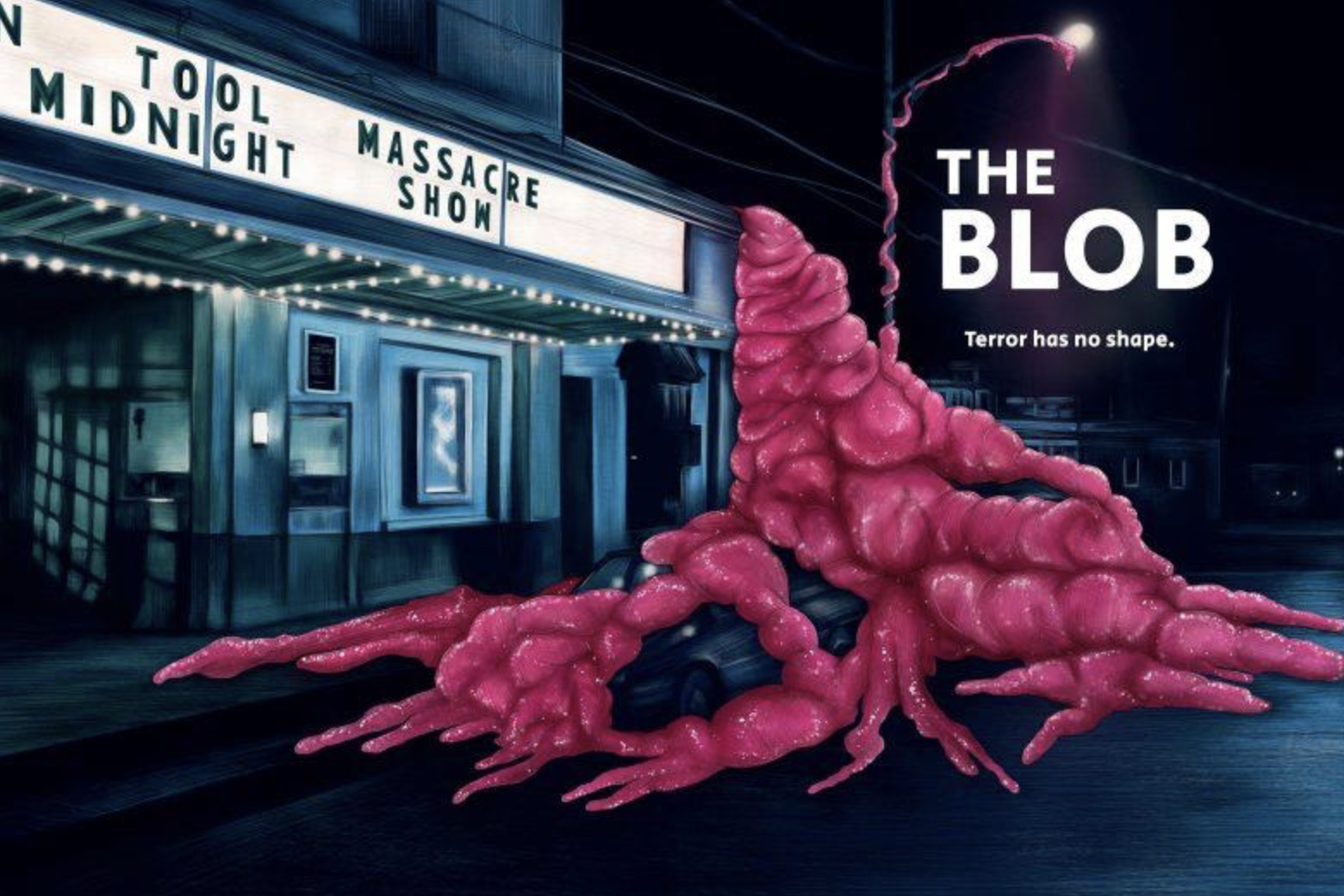
The Blob (1988), feeling like a plastic pollution foreshadow
Some cliches have merit to them. “Truth is stranger than fiction” is one of them. I’ve been shaking my head since I learned about the perils of plastic pollution, because it’s a little too close to comfort with science fiction. Sci-fi has a long history of using mysterious synthetic substances, toxic goo, and artificial materials to create something humanity can’t control. Many films, like The Blob and The Stuff, carry themes that mirror global society’s dependence on plastics, with human-made disasters escaping control, pollution growing, corporate profit, and these materials ultimately consuming society.
Unfortunately, we have a sci-fi-worthysci-fi worthy substance infiltrating oceans, wildlife, food, and it’s moved in even closer - into our bodies. When the plastic discussion erupted back in 2016 following the viral video of a sea turtle with a plastic straw in its nose, the focal point was the sea and the life that inhabits this underwater world. Many organizations, including Surfrider, approached the conversation on plastics largely through this lens.
Today, our global understanding of plastic has evolved in extraordinary ways, as a result of Indigenous knowledge, scientific advancements, academia, frontline and fenceline communities and activists, and civil society organizations. Now, we have a more holistic grasp on plastic pollution, seeing that it impacts the entire interconnected web of life and the atmosphere, hydrosphere, biosphere and soils that sustain all of us. Microplastics are even in the rain that pours down onto us! As such, we no longer see plastics as solely a waste management problem; the entire life cycle of plastics, from extraction and manufacturing to usage, causes harm to communities, human health, and the environment. Every stage of the life cycle has an adverse impact: greenhouse gas emissions, toxic chemicals used, microplastic pollution, and disproportionate impacts on communities living near extraction sites, refineries, and petrochemical plants.
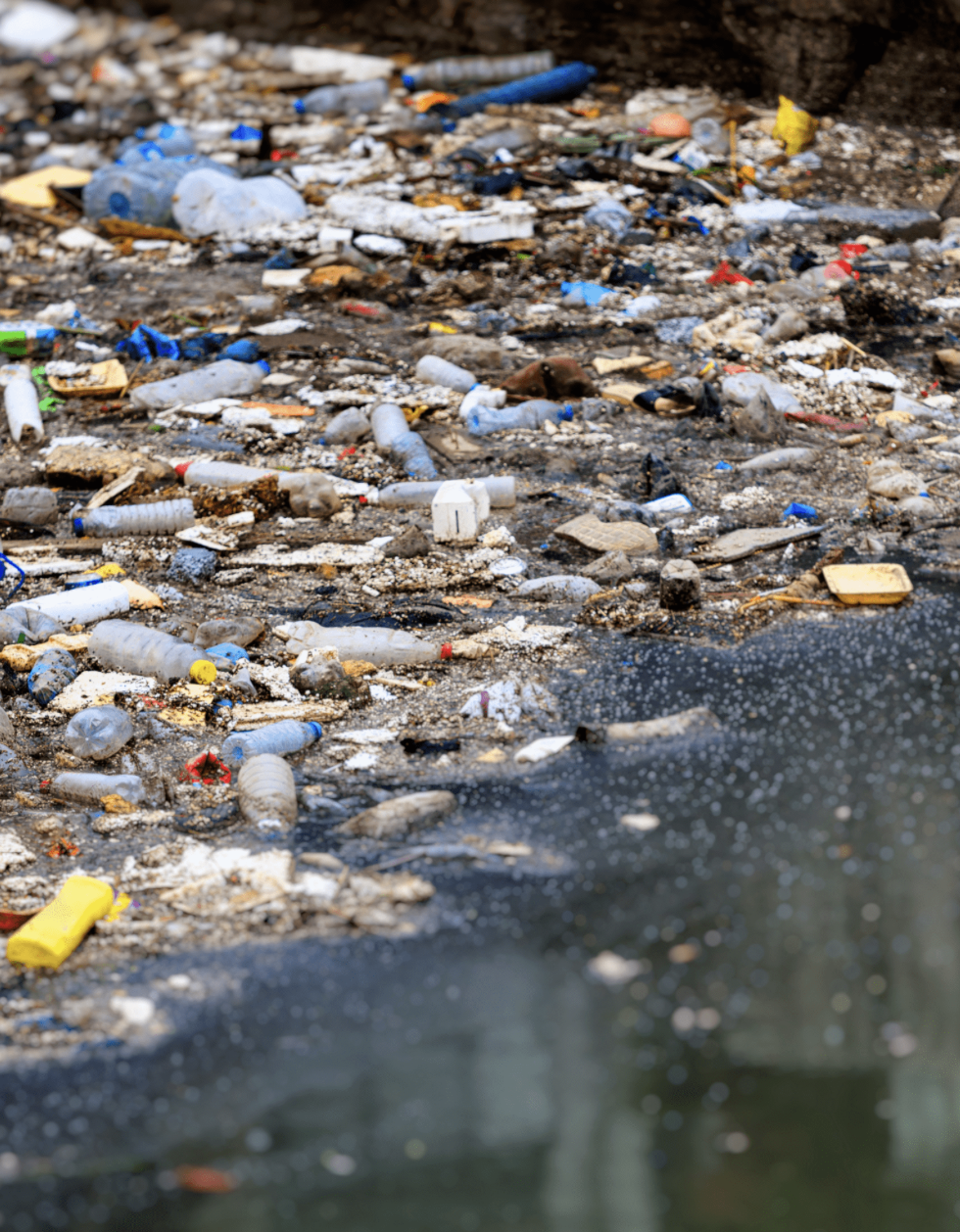
River overtaken by plastic pollution (Credit - The Great Bubble Barrier)
This shift makes Plastic Free July feel very different now than it did when it was started back in 2011. In sci-fi, the turning point often comes when the characters realize the strange substance (see Venom) or villain (see Stranger Things) isn’t confined to one laboratory or town; it’s everywhere. We’re in the same situation, yet unlike sci-fi, we already know how this story can end. So, this month - and this time in history - we can challenge these sources, from industry, corporations and our governments. Plastic Free July now occupies a space beyond trying to perfect individual actions; it’s about collectively imagining and demanding a world where an unthinkable amount of plastic is produced in the first place. Where all communities can be healthy and not have higher risks of diseases because they border a plastic manufacturing plant. A world where environmental cleanups are obsolete, because we’ve turned off the tap to solve the problem.
Plastic pollution is on track to more than double by 2040, yet solutions already exist to cut back plastic pollution by 83%. One of these solutions is the Global Plastics Treaty, a once-in-a-generation chance to tackle plastic pollution at its source rather than simply managing its consequences. Governments are currently negotiating a treaty that addresses plastic production, phasing out the most harmful plastics and thousands of hazardous chemicals they contain, accelerates the shift to reusable systems, upholds Indigenous rights and all human rights, and ensures countries have the resources needed for a just transition. As an official observer, we’ll be heading to the next round of negotiations in March of 2027 to call on Canada to demonstrate ambition.
At Surfrider Canada, that means combining community action with policy advocacy. Beach cleanups remain essential, not because they solve plastic pollution on their own, but because they reveal the scale of the problem, build community, generate data, and strengthen public support for upstream solutions. In some chapter locations, we’ve eradicated the need for local cleanups because of single-use bans we’ve achieved. The Canadian federal government and other countries around the world are affirming that plastic bans are effective at reducing this form of litter and marine debris in the environment, and we need to continue implementing new regulations to address the suite of plastic products and packaging.
Plastic Free July isn't about asking individuals to solve a crisis created by global systems. It's about using this month as an opportunity to demonstrate what's possible, support policies that reduce plastic at the source, and join a growing movement demanding healthier communities, cleaner waters, and a future less dependent on unnecessary plastic. Individual actions matter—not because they are sufficient on their own, but because they help build the public will for larger systemic change. Plastic Free July isn't about becoming the perfect consumer. It's about becoming part of a growing movement demanding that governments and corporations reduce plastic production at its source. Every refill, every conversation, every cleanup, every letter to an elected representative, and every campaign we support helps build that movement.
Sign the Greenpeace Canada petition to ask the Canadian government to stay committed and help secure an ambitious Plastics Treaty that addresses the harms of plastic across its lifecycle.
Canada creates 3 million tonnes of plastic waste every year. Call on your MP to elevate the plastics crisis in the House of Commons and put pressure on the federal government to expand action on plastics.
To continue growing the movement and putting pressure on decision-makers, join the movement by becoming a Surfrider Canada member today! By becoming a member, you advance our plastic reduction campaigns and advocacy, become alerted of new actions to take, and gain new knowledge on plastics through our digital channels and in-person events.