
Pride, Indigenous History Month and the World We Are Building
June is one of my favourite months of the year.
The days are longer. Beaches and shorelines begin to fill with people again. Communities gather outdoors. Across Canada, rainbow flags appear in windows and on street corners, while Indigenous communities host celebrations, ceremonies, and gatherings that connect people to their culture, identity, and territories. There is something hopeful about all of it.
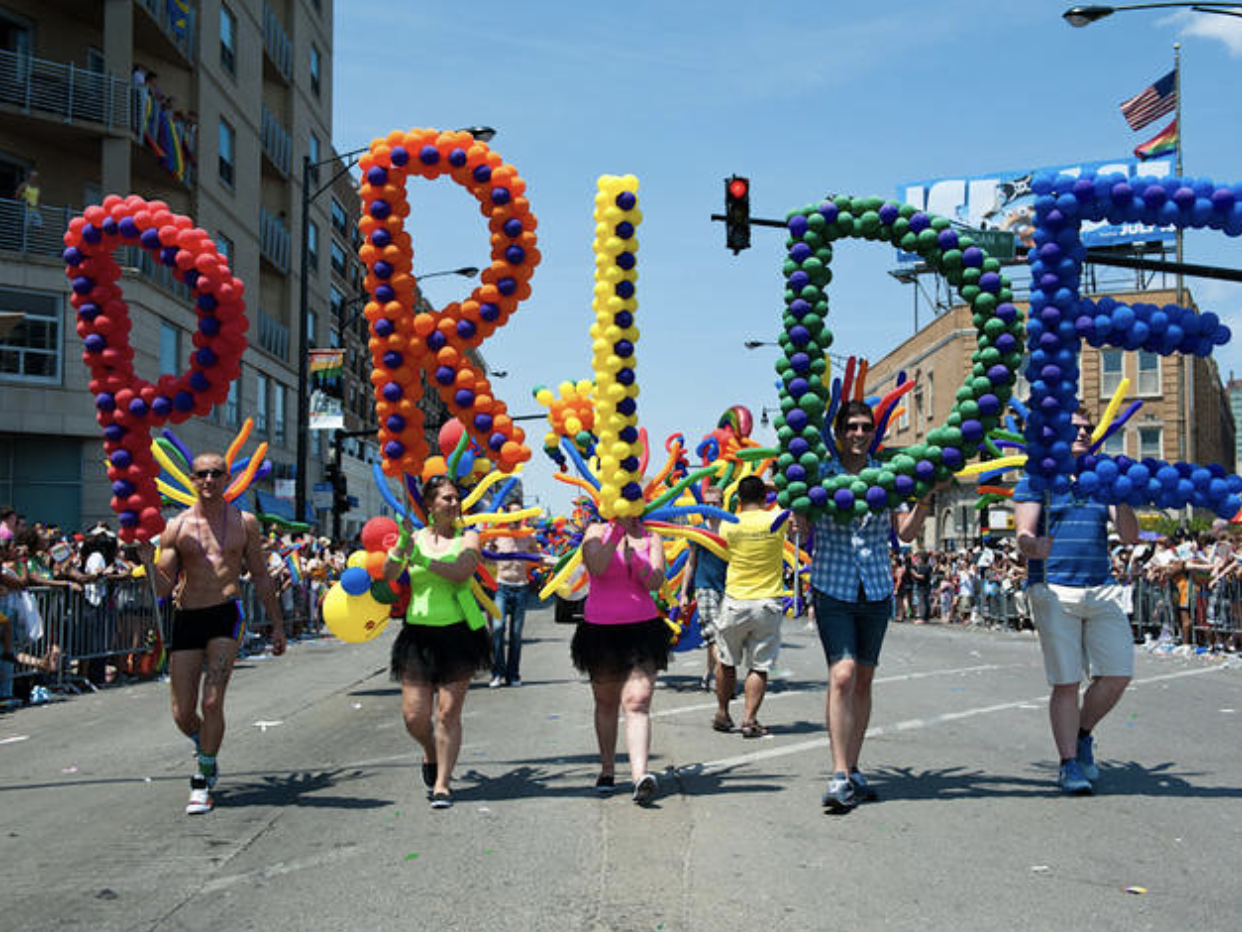
Not because challenges have disappeared. They haven't. However, these celebrations remind us of something we can easily forget: people have an extraordinary capacity to build community, care for one another, and create a sense of belonging despite experiencing exclusion, discrimination, and hardship.
Across Canada, Pride Month celebrates the resilience, courage, and contributions of 2SLGBTQIA+ communities while reminding us that the work of inclusion is never truly finished. June is National Indigenous History Month in Canada, and June 21 is National Indigenous Peoples Day, a time to revere the histories, cultures, knowledge, and leadership of First Nations, Inuit, and Métis Peoples.
At first, these might seem like separate occasions. Pride celebrates gender and sexual diversity. National Indigenous Peoples Day honours the original Peoples of these lands and their deep connections to the environments they have stewarded for thousands of years.
But I keep thinking about how closely connected they really are.
For much of my life, I have moved between different worlds—from human rights work to environmental campaigns, from conflict zones to community organizing, from conversations about peace to conversations about oceans and climate. The issues were different. The communities were different. The histories were different.
But again and again, I found myself returning to the same observation.
Many of the challenges we face share common roots.
Environmental destruction, discrimination, occupation, violence, and the marginalization of whole communities often come from similar ways of thinking and organizing society. They flourish when power is concentrated in the hands of a few, when some voices are valued more than others, when people are excluded from decisions that affect them, and when some communities or places are seen as less important or advantageous to exploit and extract from in the pursuit of economic, political, or ideological goals.
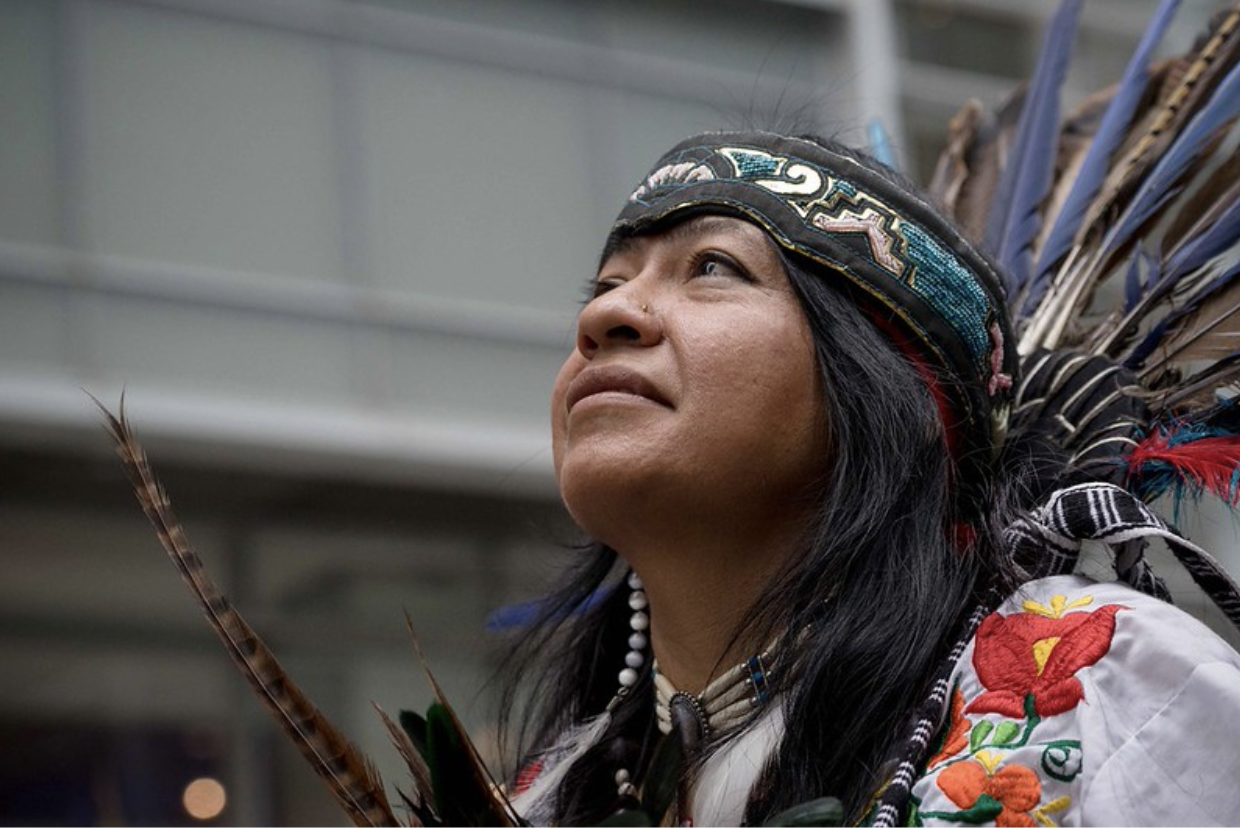
photo credit: guano
We see this in environmental struggles, where communities are forced to live with pollution they did not cause and have little to no say over. It happens when Indigenous Peoples are denied inherent rights, title and jurisdiction over lands and waters they have cared for over generations. It also shows up when some people benefit from development while others pay the price.
Different contexts. Different histories. Different communities.
Yet often, the same pattern emerges. We are all familiar with the idea of sacrifice zones: places where ecosystems, waters, and communities are asked to bear the costs of someone else's prosperity. Over time, I came to realize that societies sometimes create human sacrifice zones as well—communities whose voices, rights, and futures are treated as expendable in service of economic, political, or ideological goals.
Seeing these connections does not mean every struggle is the same. It does not mean environmental organizations have to speak about every issue or take sides in every conflict. It does mean that environmental movements cannot ignore injustice.
This is not because all struggles are identical, but rather because many of the underlying forces driving environmental destruction are similar to, or the same as, those that cause discrimination, exclusion, violence, oppression, and colonialism. That understanding has shaped how I think about solidarity.
For me, solidarity isn't about trying to speak for someone else or pretending we all go through the exact same experiences. It’s just about showing up, actually listening, and remembering that we’re all human. At the end of the day, our well-being is completely tied together.
When Indigenous communities defend their lands and waters, we should stand with them. When frontline communities bear the burden of pollution and climate impacts, we should stand with them. When 2SLGBTQIA+ people face discrimination, exclusion, or violence, we should stand with them. When people face war, occupation, ethnic cleansing, or genocide, we should stand with them.
Solidarity is more than a feeling. It is the willingness to show up for one another, especially when it would be easier to look away.
The thread that runs through all of them is a belief in human dignity—and a refusal to accept a world where some people are treated as less worthy than others.
The more I think about it, the more I believe National Indigenous Peoples Day and Pride Month point to the same simple truth: everyone deserves a place in the community. They remind us that diversity isn't some problem to manage—it's a strength we should celebrate.
In many ways, I think environmental movements have a lot to learn from both Pride and Indigenous Peoples Day. Both celebrate communities that have refused to disappear, refused to be defined by others, and continued to create vibrant cultures, relationships, and futures despite enormous challenges.
Environmentalists spend a lot of time talking about diversity in nature. We know that diverse ecosystems are often more resilient and adaptable. The same is true for human communities. People thrive when they feel welcome, valued, and able to contribute. Communities grow stronger when different perspectives, experiences, and knowledge come together.
The challenges we face are too complex for any one organization, community, or way of thinking to solve alone. Protecting our oceans, rivers, coastlines, and watersheds requires us to work across differences, listen deeply, and learn from one another. It takes humility, openness and listening. Time and again, I've found that those most affected by environmental decisions often have the most valuable knowledge to share.
Over time, I have come to believe that environmental work is not just about the future we want to build. It is also about how we choose to build it.
How we get there matters.
If we want a world that values diversity, our movements need to value it too. If we want a world that respects Indigenous rights and stewardship, our campaigns should make room for Indigenous leadership or reflect their priorities and consent. If we want communities where 2SLGBTQIA+ people feel safe, welcome, and able to contribute, we need to start building them now.
If we want a society rooted in dignity, participation, and justice, we cannot set those values aside while working toward environmental goals. The future is not somewhere we arrive. We build it through the relationships we nurture, the choices we make, and the values we live by every day. As we mark both National Indigenous Peoples Day and Pride Month, I find myself hopeful. These celebrations are proof that change is possible.
They shine a light on communities that have remained incredibly resilient despite entrenched exclusion and discrimination. Ultimately, they remind us that building a better future isn't a solo effort—it takes communities coming together around a shared commitment to dignity and justice
At Surfrider, we work to protect the places we love. Every time we gather to clean a beach, protect a watershed, defend a coastline, celebrate Pride, or honour Indigenous leadership, we are doing more than protecting places. We are strengthening the communities that make those places worth protecting.
Perhaps that's why June feels like a month of possibility. It reminds us that a better world isn't built only through policies, campaigns, or court decisions. It's built every time people choose community over division, dignity over exclusion, and solidarity over indifference.
That's the kind of world I want our children to inherit.
A world where both people and nature can thrive.
And it's a world we build together.